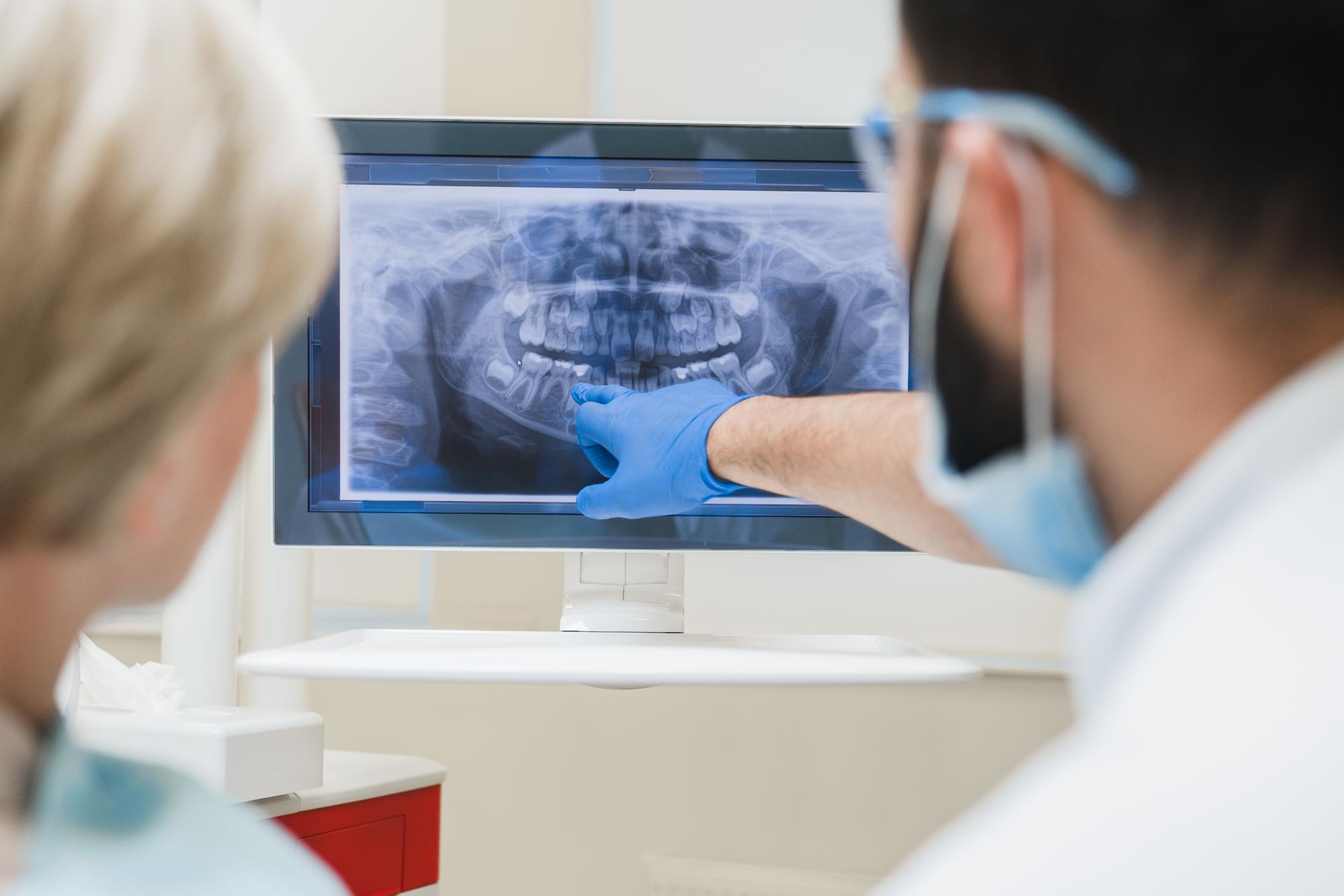
If we have recommended a palatal expander for your child, you probably have questions, starting with what it actually does and whether it will bother them. An expander is one of the most useful tools we have in early orthodontics, and the process is far gentler than most parents expect. Here is what you need to know.
What a palatal expander does
A palatal expander gently widens the upper jaw. The roof of the mouth, or palate, is actually two halves joined by a growth seam that does not fully fuse until the mid-teen years. While a child is still growing, we can use that open seam to guide the upper jaw wider with light, steady pressure. The result is more room for teeth and a better fit between the upper and lower jaws.
Why a child might need one
Expanders solve problems that are much easier to fix early than late. The most common reasons we recommend one include:
- Crossbite. When the upper jaw is too narrow, the back teeth can bite inside the lower teeth instead of outside. An expander corrects the width so the bite lines up.
- Crowding. Widening the jaw creates space, which can reduce crowding and sometimes limit the need for extractions later.
- Impacted teeth. More room can help incoming adult teeth erupt where they should instead of getting stuck.
- Breathing and airway. A wider upper arch can improve nasal airflow in some children.
Because the upper jaw is still developing, this kind of early guidance is a core part of early orthodontic treatment and often makes any later braces phase shorter and simpler.

What to expect day to day
An expander is custom-made and fits snugly against the upper teeth and palate. Most families turn a small key once or twice a day, as we direct, and each tiny turn adds a little pressure. Your child may feel mild pressure after a turn, sometimes at the bridge of the nose, but it passes quickly and is not the sharp pain some parents fear.
The first few days come with an adjustment period. Speech may sound a little different, and eating takes some getting used to. Both settle within a week. Soft foods help early on, and it is smart to steer clear of sticky and hard foods that can damage the appliance, the same general rules that apply to eating with braces. Keeping the expander clean is simple: brush around it carefully and rinse after meals.
How long it stays in
Active expansion, the daily turning, usually takes just a few weeks. After that, the expander stays in place for several more months to let new bone fill in and stabilize the wider jaw. Removing it too soon would let the jaw drift back, so that holding period matters.
Dr. Matthew Noyce has fitted expanders for many young patients across St. Joseph and Maryville, and he is glad to walk you through exactly what your child needs. You can read more about Dr. Noyce’s approach to early care, and when you are ready, schedule a free consultation.
Frequently Asked Questions
Does a palatal expander hurt?
Not in the way parents expect. Your child may feel mild pressure after each turn, sometimes near the nose, but it fades quickly. There are no shots and nothing sharp involved.
How long does my child wear the expander?
Active widening usually takes a few weeks of daily turning. The expander then stays in place for several more months so new bone can fill in and hold the wider jaw steady.
Will it affect my child’s speech or eating?
For the first few days, yes. Speech may sound a little different and eating takes practice, but both settle within about a week. Soft foods help during the adjustment.
Why treat with an expander early instead of waiting?
The upper jaw has a growth seam that closes in the mid-teen years. Widening while a child is still growing is gentle and effective, and it can reduce crowding, correct crossbites, and simplify later treatment.