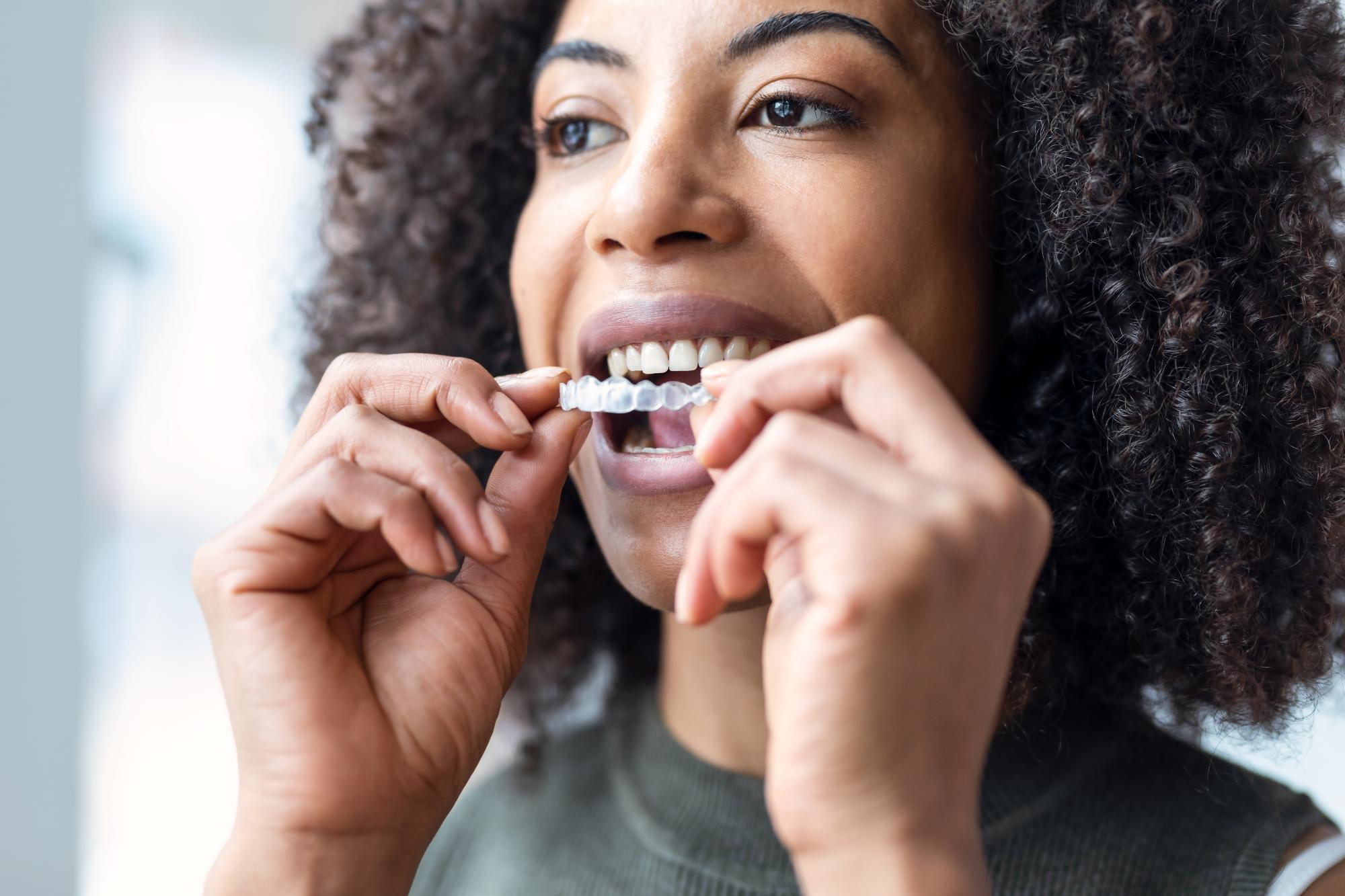
Clear aligners have changed how people straighten their teeth. Instead of metal wires and brackets, you get a series of nearly invisible trays that gradually shift your smile into place. When patients start researching Spark Aligners vs. Invisalign, they quickly find that these two names come up more than any others.
Both are FDA-cleared. Both are effective. Both can produce beautiful results. So what actually sets them apart? This article breaks down the differences in material, clarity, comfort, and case suitability so you can walk into your consultation informed and ready to ask the right questions.
The Rise of Clear Aligners
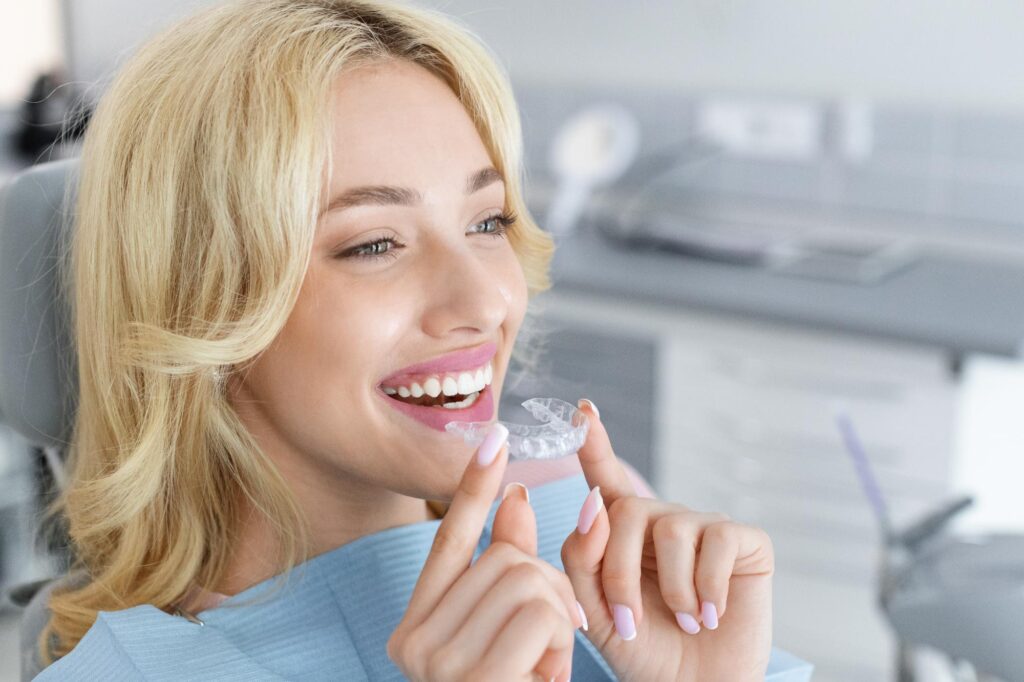
Clear aligners are removable plastic trays that move teeth into a better position over time. They’ve grown from a niche alternative into one of the most requested orthodontic treatments for teens and adults alike.
Why the surge in popularity? A few reasons stand out:
- Aligners are discreet and hard to notice in everyday conversation.
- You can remove them for meals, brushing, and special occasions.
- Treatment is often more predictable thanks to digital planning software.
- Fewer in-office visits are typically needed compared to fixed appliances.
Spark and Invisalign both deliver on these benefits, but they aren’t identical. Understanding how they differ helps you and your orthodontist choose the option that fits your goals. Learn more about clear aligners and how they compare to other treatment options.
What Are Spark Aligners?
Spark clear aligners are made by Ormco, a well-established orthodontic manufacturer that launched the Spark system in 2019. Ormco has been producing orthodontic products for decades, which gave the Spark line a strong engineering foundation from day one.
What makes Spark stand out:
- TruGEN material. A proprietary polymer designed for clarity, stain resistance, and sustained force delivery.
- Scalloped trim line. The edges of each tray follow the natural curve of your gumline for added comfort.
- High clarity. Manufacturer studies suggest the trays stay clearer longer than several competing brands.
- Broad case range. Suitable for mild misalignment through more involved corrections.
Because Spark is newer to the market, its long-term research base is still growing. That said, the technology behind it draws on Ormco’s extensive orthodontic history.
What Is Invisalign?
Invisalign is manufactured by Align Technology and launched in 1998, making it the original mainstream clear aligner brand. Millions of patients worldwide have completed treatment with Invisalign, which gives it the longest clinical track record in the category.
Key features of Invisalign:
- SmartTrack material. A flexible, multilayer polymer engineered to apply gentle, consistent force.
- SmartForce attachments. Small tooth-colored shapes bonded to teeth to guide specific movements.
- Extensive case data. Decades of treatment records inform planning software and predictability.
- Wide provider network. Most orthodontists have Invisalign experience.
Invisalign has historically been the go-to system for complex movements like rotations, extrusions, and bite corrections, though other brands have narrowed that gap over time. Ask us about Invisalign treatment during your consultation for a closer look at what to expect.

How Do Spark and Invisalign Compare?
Here’s a quick side-by-side look before we dig into the details:
| Feature | Spark Aligners | Invisalign |
|---|---|---|
| Manufacturer | Ormco | Align Technology |
| Launched | 2019 | 1998 |
| Material | TruGEN polymer | SmartTrack polymer |
| Trim style | Scalloped (gumline) | Straight cut |
| Clarity | Very high | High |
| Stain resistance | Strong in lab studies | Good, may pick up more staining |
| Attachments | Tooth-colored composite | SmartForce composite |
| Case range | Mild to complex | Mild to complex |
Both systems are removable, discreet, and effective when worn as directed. The differences show up in the finer points.
Material and Clarity
Spark’s TruGEN and Invisalign’s SmartTrack are both BPA-free polyurethane materials, but they behave a little differently.
TruGEN is engineered to stay optically clear throughout each two-week wear cycle. Manufacturer-sponsored studies suggest it resists clouding and yellowing better than several competing materials. If daytime discretion is a top priority for you, this can matter.
SmartTrack is designed with flexibility in mind. It stretches slightly to deliver consistent, gentle force as your teeth move. That flexibility can make the material feel more forgiving during tray changes, though it may show wear a bit sooner in the wear cycle.
Bottom line: Spark tends to look clearer for longer, while SmartTrack focuses on smooth, gradual movement.
Stain Resistance
Staining is a real concern with any clear tray. Coffee, tea, red wine, curry, and dark sodas can all leave marks on aligners over a two-week period.
How the two compare:
- Spark. Lab studies commissioned by Ormco show TruGEN resists staining better than some competing aligner materials, including SmartTrack. Keep in mind these results come from manufacturer-funded research.
- Invisalign. SmartTrack holds up well but can absorb pigments more readily, especially if you sip staining drinks with your aligners in.
Either way, the best defense is the same. Remove your aligners before eating or drinking anything other than water, and rinse them before putting them back in.
Which Aligner Is More Comfortable?
Comfort is personal, but the design differences between these two brands are worth knowing.
Spark uses a scalloped trim line that follows the curve of your gums. Many patients report smoother edges against the cheeks and lips, especially in the first few days of a new tray.
Invisalign uses a straight cut trim that extends slightly onto the gum tissue. Some patients find this creates a more secure fit, while others notice a bit more initial rubbing.
Both systems cause a familiar pressure sensation when you switch to a new tray. That feeling usually fades within a day or two. SmartTrack’s flexibility can make those first hours feel gentler, while Spark’s edge design tends to feel smoother against the cheeks.
Attachments
Attachments are small, tooth-colored composite bumps bonded to your teeth. They give the aligners something to grip so trays can rotate, tip, or move teeth in specific ways.
Here’s how they differ:
- Spark attachments are designed to blend closely with tooth enamel, which helps them look less obvious in photos and conversation.
- Invisalign SmartForce attachments come in a wide variety of shapes, each engineered for a specific movement pattern based on decades of case data.
The number of attachments depends on your case, not the brand. Some patients need only a few; others need many.
Treatment Time and Effectiveness
Most patients complete clear aligner treatment in 12 to 18 months, though mild cases can wrap up in as little as 6 months and complex cases may take longer. This range applies to both Spark and Invisalign.
A few factors that influence your timeline more than the brand itself:
- Compliance. Both systems require about 22 hours of wear per day. Skipping wear time extends treatment for either brand.
- Case complexity. Rotations, bite corrections, and extrusions typically take longer than simple crowding fixes.
- Provider planning. The orthodontist’s treatment plan drives results as much as the aligner brand does.
Invisalign has the longest clinical track record and the most published research, which is why it has historically been favored for complex cases. Spark’s capabilities continue to expand, and it now handles a wide range of corrections that once required Invisalign or fixed appliances.
Which One Is Right for You?
Both systems can move your teeth into a healthier, straighter position. The right choice depends on a few personal factors:
- Choose Spark if clarity and stain resistance are top priorities, or if you want the smoothest possible trim line against your gums.
- Choose Invisalign if you value the longest clinical track record, the broadest published research, and a provider network with deep case experience.
- Trust your provider. An orthodontist experienced with both systems can match the technology to your case rather than the other way around.
- Think long term. Retention, follow-up care, and provider relationship all matter after treatment ends.
Here’s the truth most articles skip: for the majority of patients, either brand will produce excellent results when the treatment plan is well designed and the trays are worn as directed.
Frequently Asked Questions
Are Spark Aligners better than Invisalign?
Neither is universally better. Spark offers strong clarity and stain resistance, while Invisalign has a longer clinical track record and broader case experience. The best choice depends on your specific needs and your orthodontist’s expertise with each system.
How do I choose between Spark Aligners and Invisalign?
Start with what matters most to you. If clarity and stain resistance are the priority, Spark is worth a close look. If you value the longest clinical track record and the broadest provider network, Invisalign has the edge. Either way, your orthodontist’s experience with the system matters more than the brand name alone.
Which aligner is more comfortable, Spark or Invisalign?
Comfort varies by patient. Spark’s scalloped gumline trim can feel smoother against the cheeks, while Invisalign’s flexible SmartTrack material delivers gentler force during tray changes.
Can both aligners treat complex cases?
Invisalign has historically handled a wider range of complex cases, but Spark’s capabilities continue to expand. Your orthodontist can determine which system is best for your case.
Schedule a Consultation
The best way to know which aligner fits your smile is a one-on-one evaluation. During a free consultation, you’ll review your goals, discuss your treatment plan, see digital scans of your teeth, and get a clear recommendation based on your specific case. We also offer flexible payment options to help fit treatment into your life.
If you’re weighing Spark clear aligners against Invisalign and want a straightforward opinion from a provider who works with modern aligner technology, we’d love to help. To schedule a consultation, call our office or book online today. There’s no commitment, just clear answers about your treatment options.